
"Sudanese coffee"
189 article(s) found

Jasmine flower fragrance Sunlight Yejia Sheffield Woka Fine Coffee Bean Planting Location Climate Elevation
2015 Sun-baked yeja sherphine, already G1 grade, exceeds G1 wash in quality and appearance. The beans are roasted until they explode. They are brewed by hand and siphon. When the beans are ground, they smell the sun fruity fruit, sweet and obvious. They also have the signature citrus and jasmine flowers of washed Yerba and Sherba. They taste like Harald, Yemen mocha and Yerba and Sherba washed beans.

Ethiopia rose summer village and Panama rose summer characteristics distinguish rose summer village red label rose summer coffee bean flavor taste story
Before meeting Willem Boot, owner of La Mula in Panama, Adam Overton had only a vague dream of buying a farm in Ethiopia to grow the world's best coffee, Geisha. Why Ethiopia? due to

Distinctive personality sun Yerga Shifeiwaka boutique coffee beans grind degree baking degree treatment method
The beans are small, neat and round. Ethiopian sun beans are generally G3--G5, but the beans are G2, equal to the grade of washed beans. Although there are still a few defective beans, they are commendable compared to the sun beans of Harald and Sidamo. The 2015 sun Yega snow caffeine has appeared in the G1 grade, surpassing the G1 washing in terms of quality and sales. This bean is baked

World & A brief introduction to the spread History of Coffee in China
Origin: coffee was first discovered in the kaffa region of southern Ethiopia in the 6th century AD. So far, there is no specific historical data about the origin of coffee, what has been handed down are several different legends, but it is more recognized that Cuddy, the shepherd, discovered the coffee. Legend has it that Kadi, a shepherd in Kafa province in southern Ethiopia, drives his sheep every day.

Jasmine Flavor Sun Yega Chefevoca Fine Coffee beans Grinding degree baking degree treatment method
Sun Yega Chuefei: light fermented wine, spice water wash Yega Chuefei: Jasmine, lemon or lime acid [in the cup according to the ratio of 8 grams of powder to 150ml 93 degrees hot water, let the coffee soak for 3-4 minutes until the coffee residue shell is formed] the difference in taste: sun Yega Chuefei: the sun is a little complex, light fermented wine, bitter taste will be more intense, the taste will be very rich.

Fresh and bright sun Yega Chuefeiwaka boutique coffee beans planting geographical location climate altitude
There is a strict standard for collecting red fruits (as a result of coffee trees). Before exposure to coffee fruits, unripe green fruits or defective fruits are removed manually, and damaged or moldy fruits are removed during the sun drying process. after two weeks, the flesh sugar and essence seeped into the coffee beans, the water content was reduced to 12%, and then scraped off the hardened pulp, pectin layer and pods with a planer to remove the coffee.

The origin and development history and culture of the unique sun-baked Yejia Sheffield Woka coffee beans
This is a wetland since ancient times. The old saying "yirga" means "settle down","cheffe" means "wetland", so "yirga cheffe" means "let us settle down in this wetland". It is one of Ethiopia's highest coffee producing areas on average. Yerga Coffee, all washed, but also a small amount of exclusive beans deliberately sun for it, enhance the charming fruity flavor

A brief introduction to the Origin, Development, History and Culture of Yega Shiffiwaka Fine Coffee beans
It has been a wetland since ancient times, and the ancient saying [yirga] means "settle down], and [cheffe] means [wetland], so [Yega Xuefen] means [let us settle down in this wetland]. It is one of the coffee producing areas with the highest average elevation in Ethiopia. Yejia snow caffeine is washed with water, but there are also a few excellent beans engraved in the sun to enhance the charming fruit aroma.

A brief introduction to the market price of fine coffee beans planted in Yega Shifeiwaka
In this way, the hands can feel the comfort of Yega Xuefei, just like flowers promote taste buds and olfactory cells in the nasal cavity. The coffee beans after harvest must enter the treatment program immediately, otherwise they will begin to ferment, making the coffee beans have a bad smell. There are two methods of treatment: solarization and water washing, which will cause different flavors. Sun-dried beans have a complete natural mellow flavor, gentle aroma and

A brief introduction to the History and Culture of the Origin and Development of Fine Coffee beans
1. Natural solarization (Natural/Dried-in-the-Fruit): the fruit begins the process of sun drying without treatment after picking. This is the oldest method of treatment in existence. The drying process usually lasts about 4 weeks. The method of handling must be very strict to ensure that the coffee does not lose any flavor. The natural sun method requires the local climate to be extremely dry. In some areas, people

Honey-like sweet aroma of the sun Yega Chefevoca boutique coffee beans grinding degree roasting degree treatment
1. Natural solarization (Natural/Dried-in-the-Fruit): the fruit begins the process of sun drying without treatment after picking. This is the oldest method of treatment in existence. The drying process usually lasts about 4 weeks. The method of handling must be very strict to ensure that the coffee does not lose any flavor. The natural sun method requires the local climate to be extremely dry. In some areas, people

A brief introduction to the description of the flavor and aroma characteristics of coffee beans with distinctive personality
Sun Yega Chuefei: light fermented wine, spice water wash Yega Chuefei: Jasmine, lemon or lime acid [in the cup according to the ratio of 8 grams of powder to 150ml 93 degrees hot water, let the coffee soak for 3-4 minutes until the coffee residue shell is formed] the difference in taste: sun Yega Chuefei: the sun is a little complex, light fermented wine, bitter taste will be more intense, the taste will be very rich.

A brief introduction to the fresh and bright sun Yega Shifeiwaka boutique coffee bean planting market price
[hand flushing data] [sun Yega Xuefei]: it is recommended to use 15 grams of powder 89 degrees water temperature, small Fuji grind degree 4 pearl V60 filter cup, water powder ratio 1:15, the first water injection 30g, steaming for 25s, the second water injection 104g water cut off, the second water injection to 230g water, the water at the end of the section is not needed, the extraction time is about 215g powder 92 degrees water temperature, water is recommended.

A brief introduction to the description of the flavor and aroma characteristics of the fine coffee bean Yega Chefevoca
Traditionally, Yega snow coffee is treated by the oldest sun treatment, but in 1972, Ethiopia introduced water washing technology from Central and South America in order to improve its quality, which made its jasmine and citrus fragrance clearer and more refined. It has become the best product of the world's boutique beans, thanks to its exquisite washing technology. After the 1970s, this area was mainly washed and became the most popular in Egypt.

World & A brief introduction to the Development History of Coffee in China
Origin: coffee was first discovered in the kaffa region of southern Ethiopia in the 6th century AD. So far, there is no specific historical data about the origin of coffee, what has been handed down are several different legends, but it is more recognized that Cuddy, the shepherd, discovered the coffee. Legend has it that Kadi, a shepherd in Kafa province in southern Ethiopia, drives his sheep every day.

Honey-like sweet aroma of the sun Yega Chefevoca boutique coffee bean flavor, taste and aroma description
Coffee trees are mostly planted in farmers' own backyard or mixed with other crops in the field, the yield per household is not much, it is a typical rural coffee. These mountain villages are foggy, like spring all year round, with a gentle breeze in summer, cool but not hot, rain but not damp, and no cold damage in winter, giving birth to a unique flavor of citrus and flowers. The so-called Yejia chiffon flavor refers to the strong aroma of jasmine and lemon.

Lyme acid aroma of the sun Ye Jia Xue Fei Woka fine coffee beans flavor taste aroma characteristics Description Introduction
2. The Washed method uses water washing and fermentation to remove the peel, pulp and mucous membrane. Farms using the washed method must build a washing tank and be able to introduce a continuous flow of fresh water. When processing, it is to put the beans into the pool, move back and forth, and use the friction of beans and the power of running water to wash the coffee beans to smooth and clean. After washing, the coffee
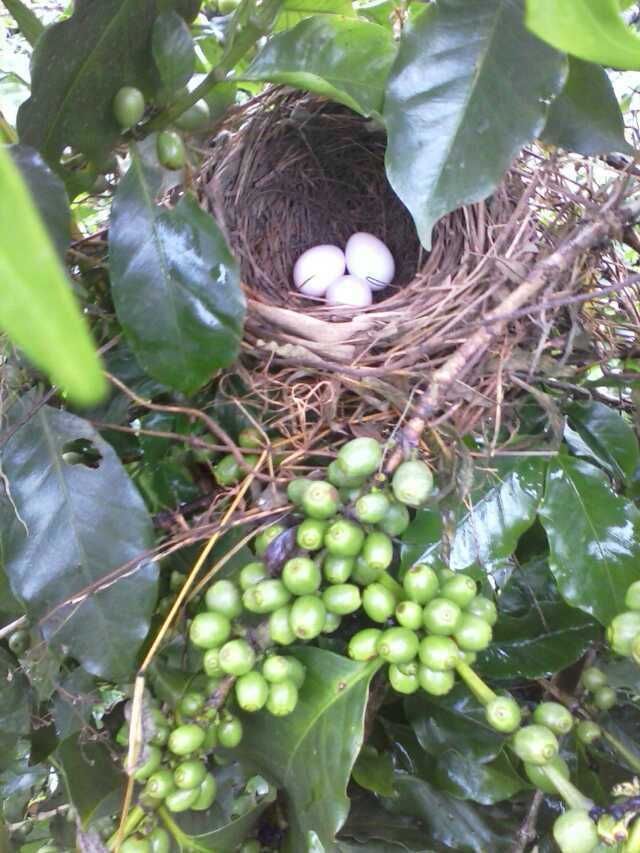
Knowledge of Coffee History and Culture: the Historical Origin of Coffee's aggression against Human beings
Coffee culture legend coffee was first discovered by goats, as a result, people on earth who like to taste fresh can't stop from now on. Human beings are really curious. Hey! Throughout the history of coffee, it is simply a documentary in which mankind has been conquered by it. Watch the origin and development of coffee with [Ice City Coffee]. As people on earth, we really don't have the strength to fight back! Coffee originated in the 6th century AD

The mission of coffee is to conquer the earth people?! The origin and development of coffee is so wonderful.
It is said that coffee was first discovered by goats, but the people on earth who like to taste fresh can't stop from now on. Human beings are really curious. Hey! Throughout the history of coffee, it is simply a documentary in which mankind has been conquered by it. Look at the origin and development of coffee together with [coffee culture]. As people on earth, we really don't have the strength to fight back! The origin of coffee was first discovered in the 6th century AD.

Practical information | Coffee genealogy collation
Coffea / Coffee consists of more than 120 species, usually opposite leaves, evergreen shrubs or small trees with horizontal branches. Contains opposite species, one side is flat, and the other side has grooves (right! It's coffee beans! ). Tropical forests are the preferred habitat for most coffee plants. There are about 60 coffee plants in the world.